


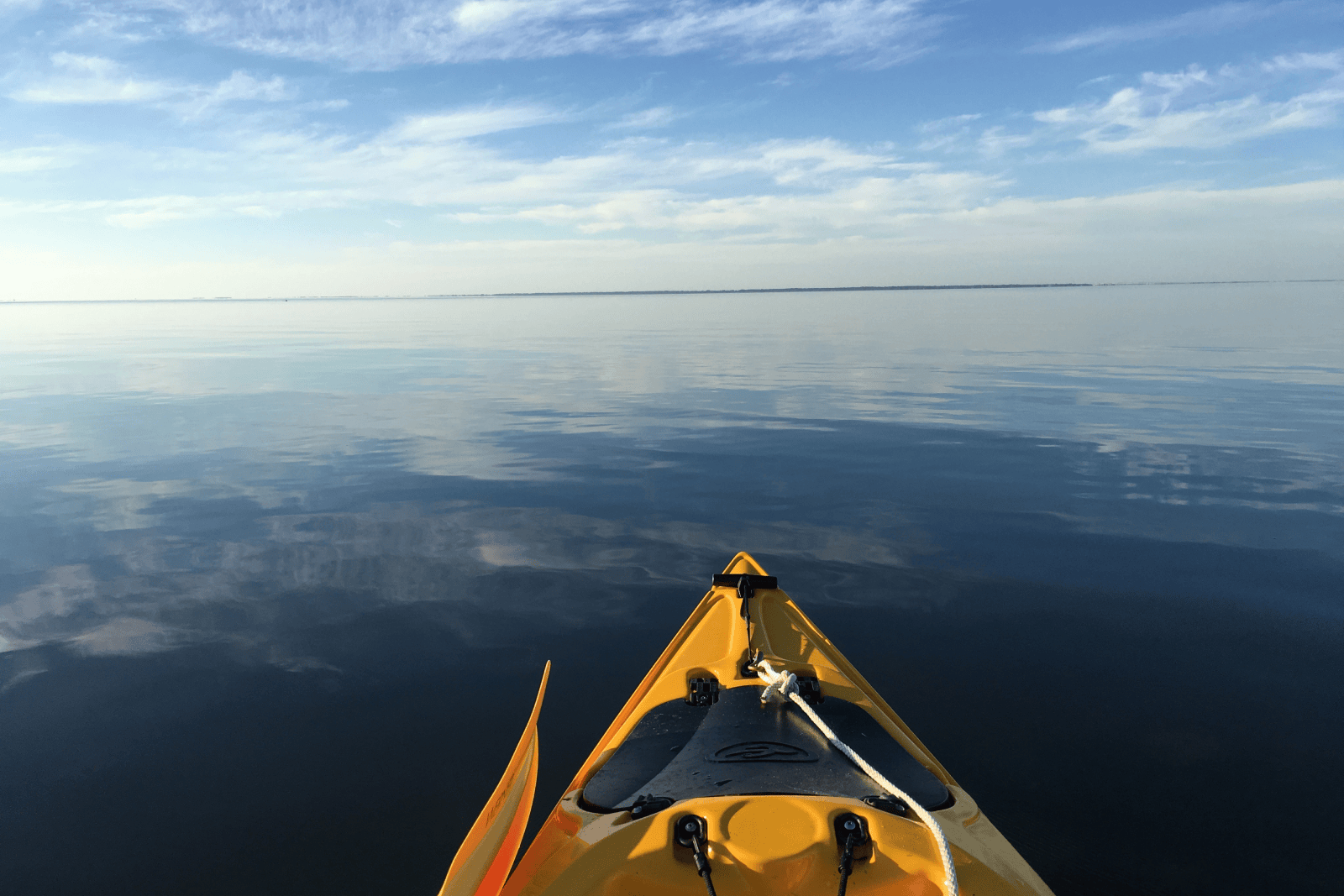


D-Day is a symbolic event in Normandy. Synonymous with freedom, it refers to the D-Day landings that took place on the Normandy beaches towards the end of the Second World War. The construction of the artificial port of Arromanches followed this famous day. Today, only a few remains of this ancient site remain. If you’re passing through the region, a kayak trip will allow you to discover this historic heritage.
A beautiful historical discovery on the program
During a day in Normandy, a visit to the D-Day Museum at Utah Beach is a must. The few minutes you spend there will set the tone for your day.
The museum is located opposite the beach, and is home to numerous photos and videos from the D-Day archives. These documents recall the arrival of the soldiers on the coast, and also demonstrate the construction stages of the Arromanches floating port. In fact, did you know that it took almost 50,000 workers and less than 9 months of hard work to bring this remarkable structure to life? Quite a feat!
Although two ports were originally planned, only the one at Arromanches was actually used. The port of Omaha was ravaged by a storm a few days after its construction. In the D-Day Museum, you’ll find, among other things, models of this former construction.
It’s time to set sail!
After a tour of the museum, it’s time to venture out on the water for a closer look at the remains. The Centre Nautique d’Asnelles is close by and offers kayak tours that take you up close to the ancient Phoenix dike.
Before settling into your boat and setting sail, safety is paramount. It’s essential to wear appropriate clothing and life jackets. Among other things, an instructor will remind you of the basic gestures and techniques you need to know to paddle the boat properly. New to kayaking? Don’t worry, the kayak is relatively easy to steer. In any case, before setting off on your expedition on the water, it’s a good idea to take advantage of good weather conditions to get the most out of the activity.
From a distance, the pontoons may appear to be just big blocks of concrete, but as you get closer, you’ll realize that the caissons are actually a huge marine ecosystem niche. After all, in almost 80 years, nature has inevitably reclaimed its rights. You’ll find seaweed and shellfish clinging to the remains of this D-Day port.
Discover Phoenix housings
A quick reminder: Phoenix caissons are floating reinforced concrete caissons. They were the basic elements of the D-Day port. Today, around 30 of these caissons remain on the Normandy coast. This is a relatively small number, given that there were 115 of them.
During your kayak trip, you’ll have the chance to dive into the heart of these old concrete frames. The caissons don’t actually contain anything, but being inside them is impressive. The echo of paddlers’ voices and the sound of wind and waves through the caissons enliven the interior of these relics of the past.
To discover this symbolic former war spot and other historic D-Day beaches during your vacation in Normandy, visit Utah Beach, the campsite on the D-Day beaches. Situated on the seafront of the eponymous beach, the estate is located on a key D-Day site.