



The Normandy landing beaches
Normandy beaches steeped in history
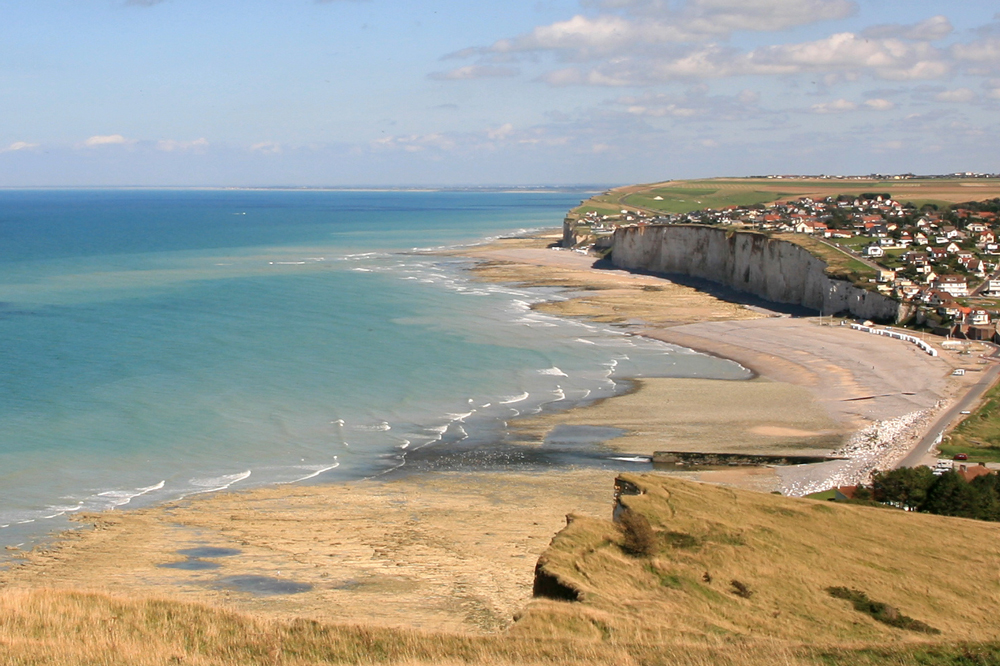
The campsite near the landing beaches located in Normandy, just a few meters from the iconic beaches of the Second World War. The landing beaches of June 6, 1944, are among the must-see sites for your sightseeing excursions in Manche. Today, the Normandy beaches represent a major gathering place. Millions of tourists visit the beaches, cemeteries, and museums every year in memory of the soldiers.
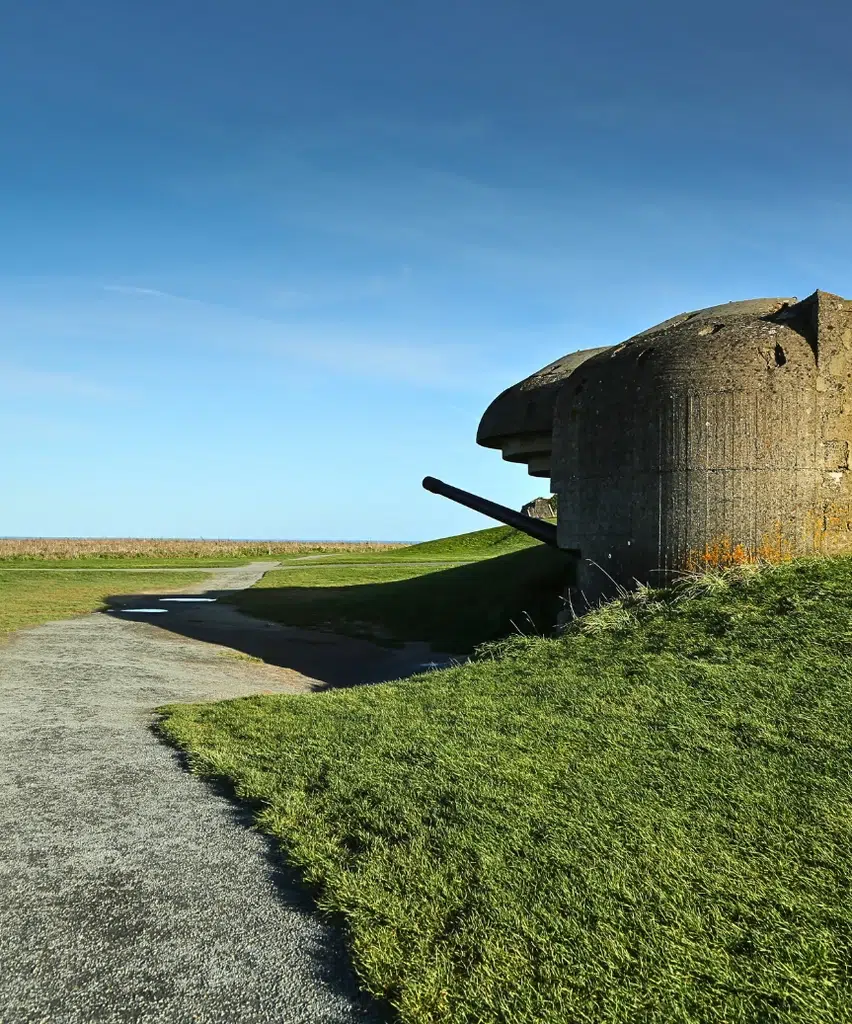
Take advantage of your visit to the Cotentin peninsula to discover the must-see sites of the American D-Day sector in Normandy. From monuments to museums, follow the path of freedom. It will lead you through the history of the German occupation and the Atlantic Wall, and the D-Day landings on Utah Beach.
The D-Day beaches in Normandy
Utah Beach, to which the campsite offers direct access, is the westernmost of the landing beaches. Along with Omaha Beach, it is part of the American sector. As the only Allied landing beach located in Manche, it stretches for 5 km and is home to the Utah Beach Landing Museum. Further east, on the other side of the Carentan canal, Omaha Beach is infamous for being the beach where the Allies lost the most troops.
This is where the Colleville-sur-Mer American Cemetery is located, connected to the beach by a pedestrian path. Gold Beach, Juno Beach, and Sword Beach are the code names for the beaches in the Anglo-Canadian sector. On June 6, 1944, 25,000 men landed on Gold Beach, over 30,000 on Juno Beach, and nearly 29,000 on Sword Beach. Sword Beach also saw the landing of French commandos created by the Free French Forces.
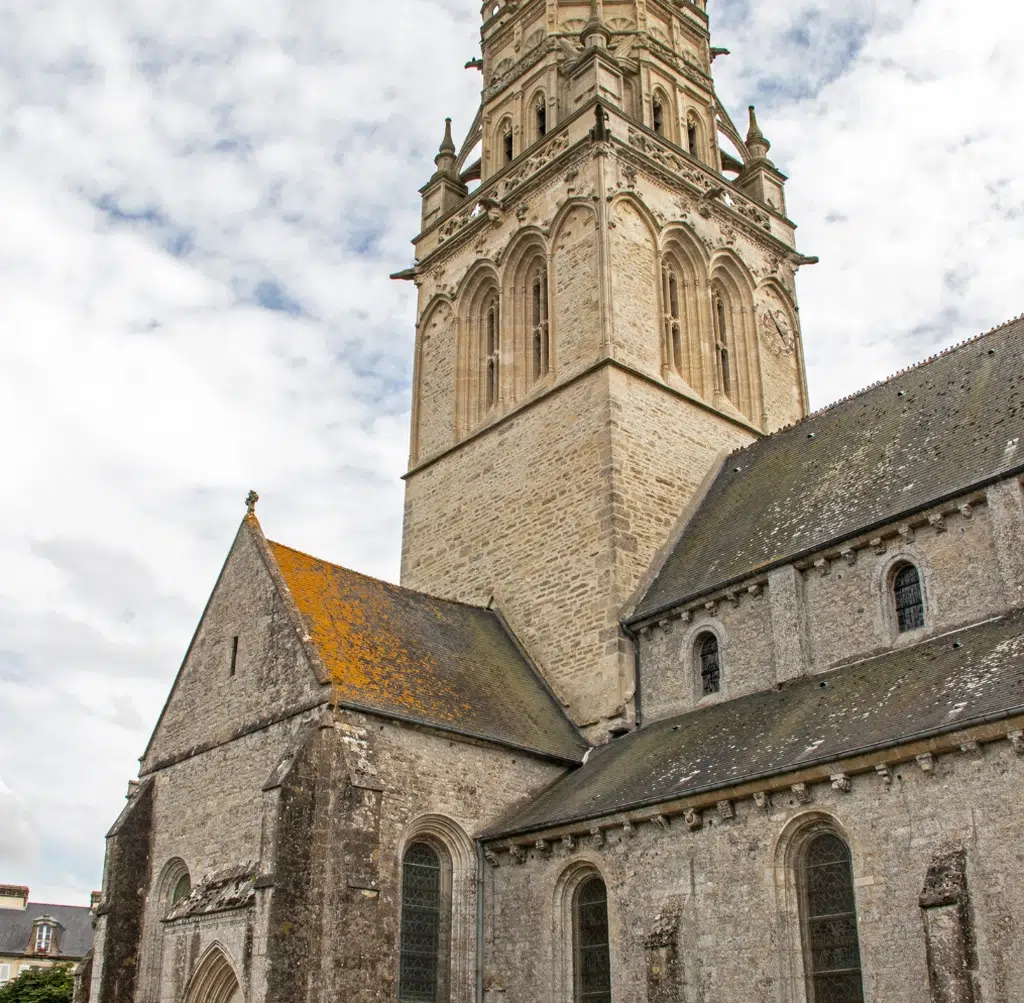
History of the landing beaches
It was during the Second World War that the peaceful beaches of Normandy gained their fame. Indeed, while all of France was occupied by the Germans, the United States, Canada, and Great Britain joined forces to form an alliance to liberate Europe and end the war.
At dawn on June 6, 1944, the first Allied troops landed on Utah Beach and Omaha Beach. Throughout the day, nearly 155,000 soldiers and 20,000 military vehicles landed on five Normandy beaches renamed for the occasion: Sword Beach, Juno Beach, Gold Beach, Omaha Beach, and Utah Beach.
The battle against German forces raged. More than 10,000 men were killed in the clashes, particularly on Omaha Beach. Finally, the “Atlantic Wall” was breached and the Allies managed to move about ten kilometers inland, liberating the first towns, including Sainte-Marie-du-Mont, Sainte-Mère-Eglise, and Ranville.
Visit the landing beaches
Nowadays, it is possible to visit the landing beaches both for remembrance and to relax, swim, or have fun with the family.
Near the beaches, the graves of soldiers who died fighting for freedom are lined up in military cemeteries. Let’s look in more detail at the different D-Day memorial sites to visit in Normandy.
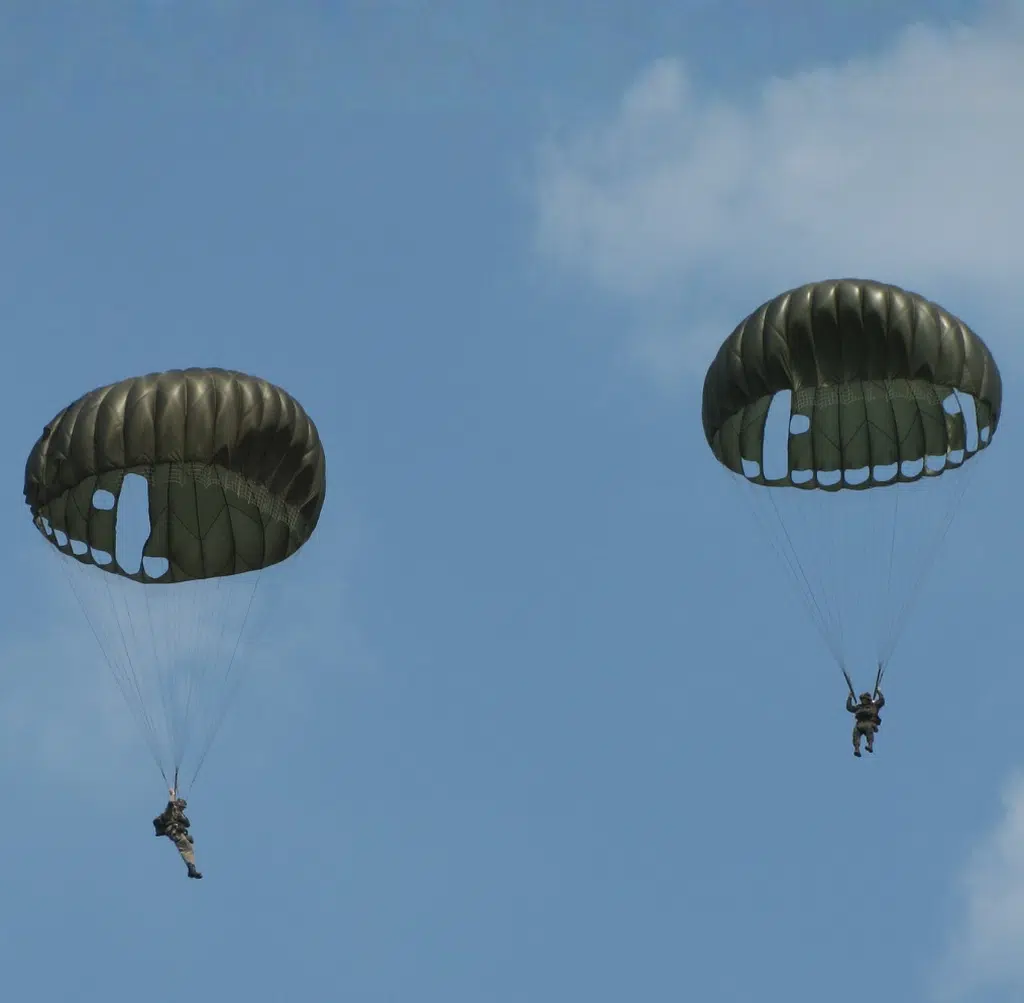
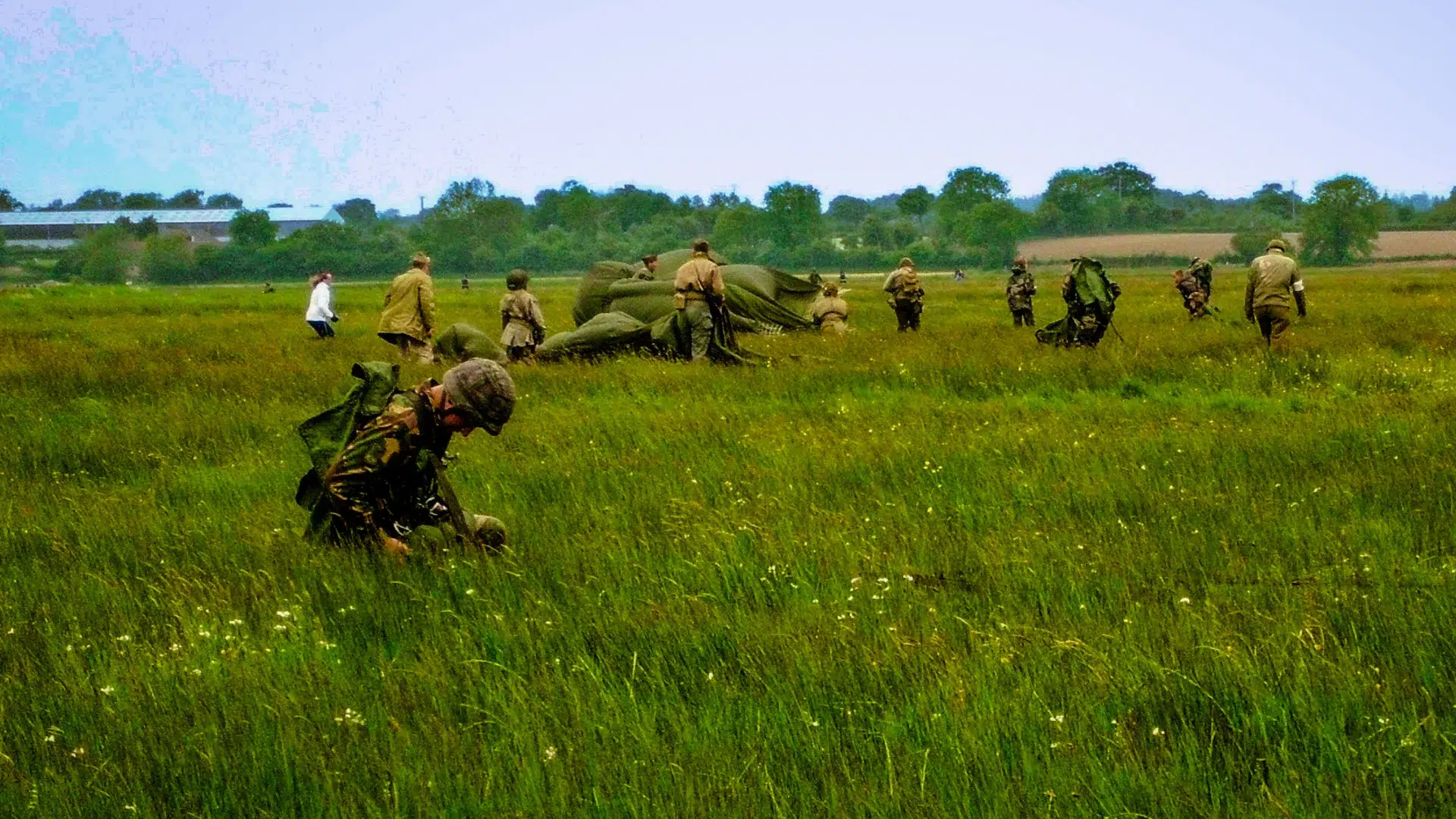
Visit the Airborne Museum in Normandy
The beaches of Normandy were the scene of a major historical turning point of the 20th century. These stretches of sand, charged with history, are home to several sites commemorating the Allied landings of June 6, 1944: museum displays explaining the course of military operations, as well as memorials, cemeteries, and places of reflection in memory of the thousands of men who fell during the Battle of Normandy.
Among the must-see sites on the coast are the Caen Memorial Museum, the strategic Pointe du Hoc between Utah Beach and Omaha Beach, the American Cemetery at Colleville-sur-Mer, the Juno Beach Centre dedicated to the intervention of Canadian troops, Mulberry (the artificial harbor at Arromanches), the German battery at Longues-sur-Mer on the cliff at Gold Beach, and the village of Sainte-Mère-Église, among the very first to be liberated.
Accessible on foot from the campsite, the Landing Museum is also not to be missed during your stay.
Sword Beach
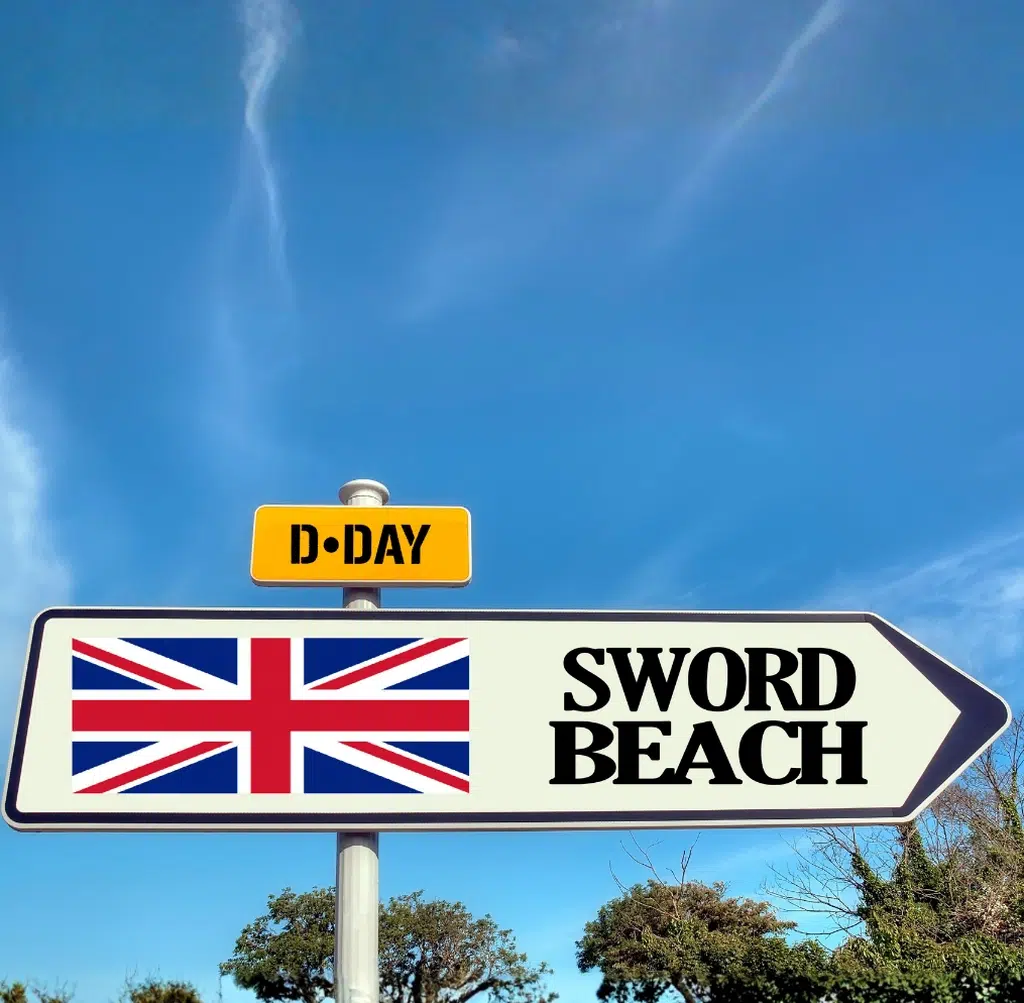
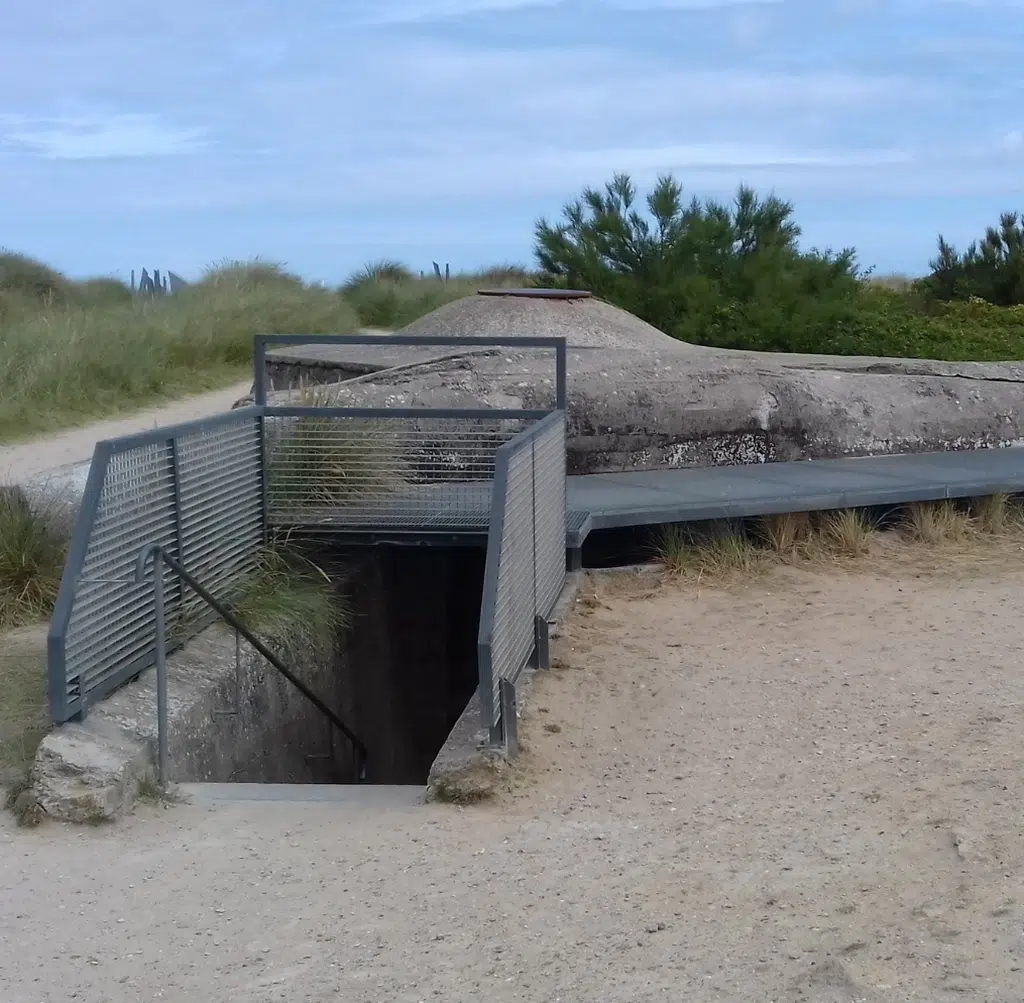
Sword Beach is located in Ouistreham, and it was here that the 4th Franco-British Commando landed. Today, you can visit the Atlantic Wall Museum, known as “The Grand Bunker,” housed in a former fire control post. You can also discover the No. 4 Commando Museum, which houses many relics from the Normandy landings.
Juno Beach
Juno Beach, at Courseulles-sur-Mer, saw the landing of Canadian forces. On D-Day, nearly 14,000 Canadians and 9,000 British troops launched an assault on the enemy. However, losses were heavy and many men lost their lives on this beach.
The Juno Beach Centre is a very modern Canadian museum that welcomes you to experience Canada’s history during the Second World War.
Gold Beach
Located at Arromanches, Gold Beach was the central landing site. It was the 50th Northumbrian, led by the famous General Graham, that landed there on June 6, 1944. An artificial harbor was built there, the remains of which can still be seen. The Landing Museum located nearby looks back at the Battle of Normandy and the construction of the harbor. As for Arromanches 360, it is a circular cinema where you can watch archival footage taken on D-Day.
Omaha Beach
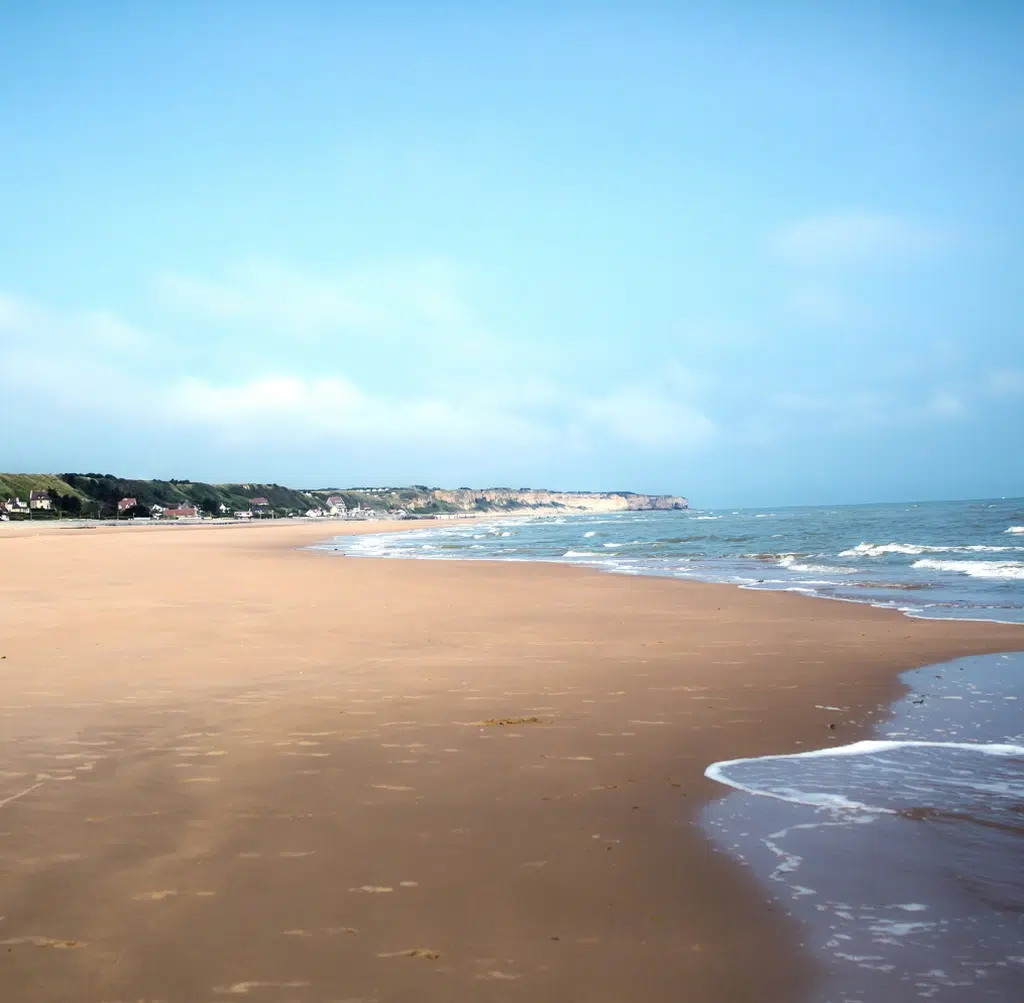
Infamous for its history, Omaha Beach is where losses were the heaviest. So much so that the Americans nicknamed the beach at Colleville-sur-Mer “Bloody Omaha.” A statue of “Les Braves,” erected in memory of all those soldiers who died in battle, stands on the beach. It is therefore logical that the largest American military cemetery is held at Colleville-sur-Mer. The Omaha Beach Memorial, 200m from the beach, retraces the bloody history of the landings, while the Overlord Museum presents an impressive collection of military vehicles and artifacts.
Utah Beach
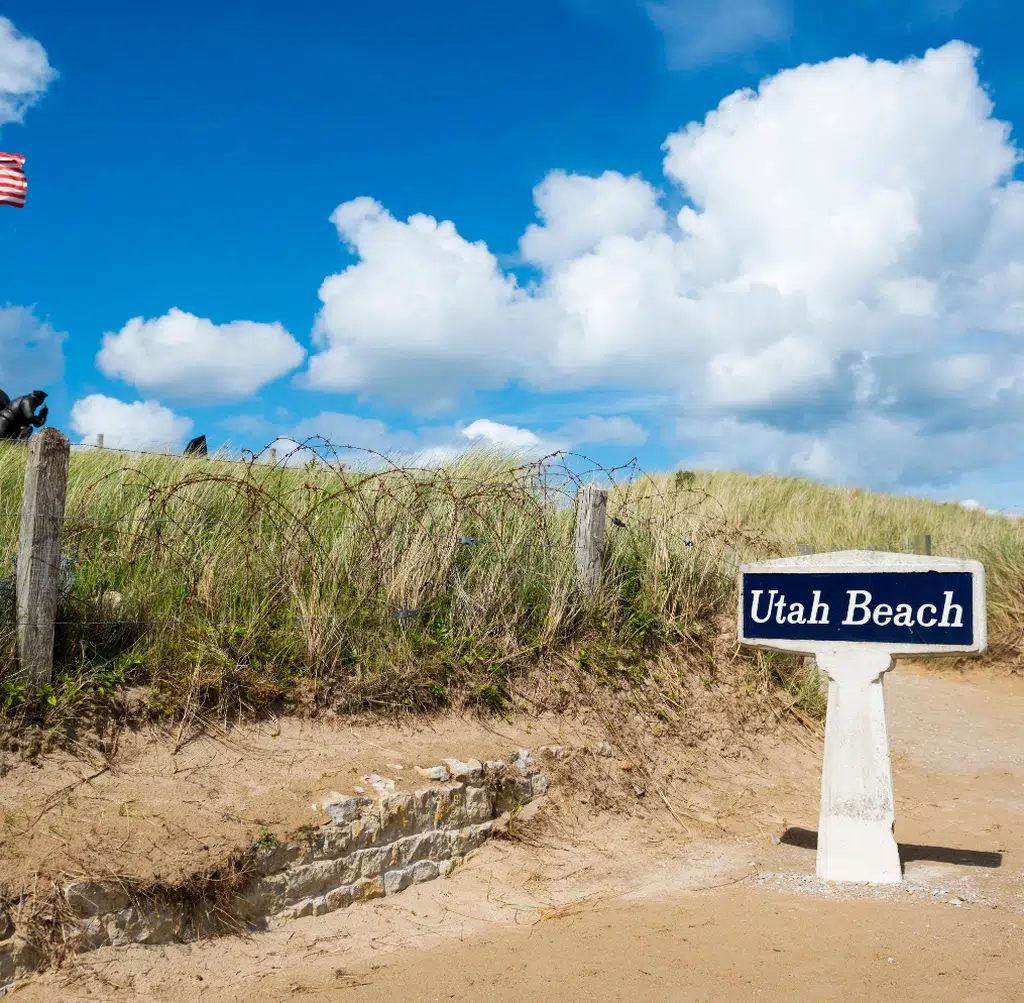
Utah Beach, at Sainte-Marie-du-Mont, was the most strategic location for retaking the port of Cherbourg. The Utah Beach Museum presents the history of the landings in a chronological journey, the highlight of which is certainly the presence of an authentic B-26 Bomber. Camping Utah Beach is the ideal campsite for visiting these beaches and for your seaside holidays in Normandy. Indeed, the campsite is right on the beach, just a few meters away. You can thus enjoy the landing beach directly from the campsite.
Discover
the campsite!
-

Seaside
Read more: Seaside -
The Pool
Read more: The Pool -
Our Services
Read more: Our Services